No items found.

Blog
The Power of Customer Feedback A Goldmine for Better Products and Services

Bob Dimicco



Consumer feedback is the direct information customers share about their experiences, revealing satisfaction levels, unmet needs, and pain points. For market researchers and product teams, it is the bedrock of strategy.
Consumer feedback serves as:
However, traditional feedback collection is slow and lacks depth. While generic AI tools offer speed, they introduce risks like hallucinations, lack of attribution, and loss of nuance, eroding client trust.
RevealAI, an AI-powered qualitative research platform, solves this. Built for researchers, it enables conversational AI interviews at scale while ensuring trust and verifiability. Our Walled Garden data model—using no web data and providing direct quote attribution with human source verification—delivers insights you can act on with confidence. When customer-centricity drives competitive advantage, acting on consumer feedback is critical for success.

For market research firms and product teams, collecting and analyzing consumer feedback is a strategic imperative. It's about understanding your audience to refine products and strategy, changing raw data into actionable insights that fuel growth.
Effective feedback collection begins with understanding its forms. A comprehensive strategy uses a mix to get a full picture.
Key collection methods for research:
Modern approaches:
RevealAI's platform focuses exclusively on qualitative analysis for market and product research, ensuring data integrity and researcher control.
Collecting feedback is only half the battle; analysis turns raw data into actionable insights.

Analysis challenges:Researchers often face a high volume of unstructured text. Manual analysis is not scalable for modern product cycles, and researcher bias can influence interpretation.
Qualitative analysis techniques:
The role of AI:Generic AI tools promise speed but risk hallucinations, lack of attribution, and loss of nuance, which erodes client trust. RevealAI offers a research-grade AI platform designed to mitigate these risks with a 'Trust first, not novelty first' philosophy. We provide:
This approach makes our AI a powerful assistant, not a replacement for human expertise. It enables teams to analyze qualitative data 10x faster, turning every comment into an actionable insight while maintaining the rigor required for market research without doubt.
The true value of consumer feedback emerges when insights are translated into product improvements.
Prioritization frameworks:Not all feedback can be acted on at once. Use frameworks to decide what to address first:
Connecting insights to roadmaps:Feedback is a vital input for product roadmaps. It helps validate planned features, identify new opportunities, and justify resource allocation. Before major investment, use RevealAI to test product concepts faster and smarter, reducing risk.
Cross-functional collaboration:Share insights from feedback across product, marketing, and leadership teams to guide development, refine messaging, and inform strategic decisions.
Real-world examples of acting on feedback:
These examples show that systematic action on feedback translates directly into measurable business success.
The goal is to embed consumer feedback into a continuous cycle of improvement known as the customer feedback loop.
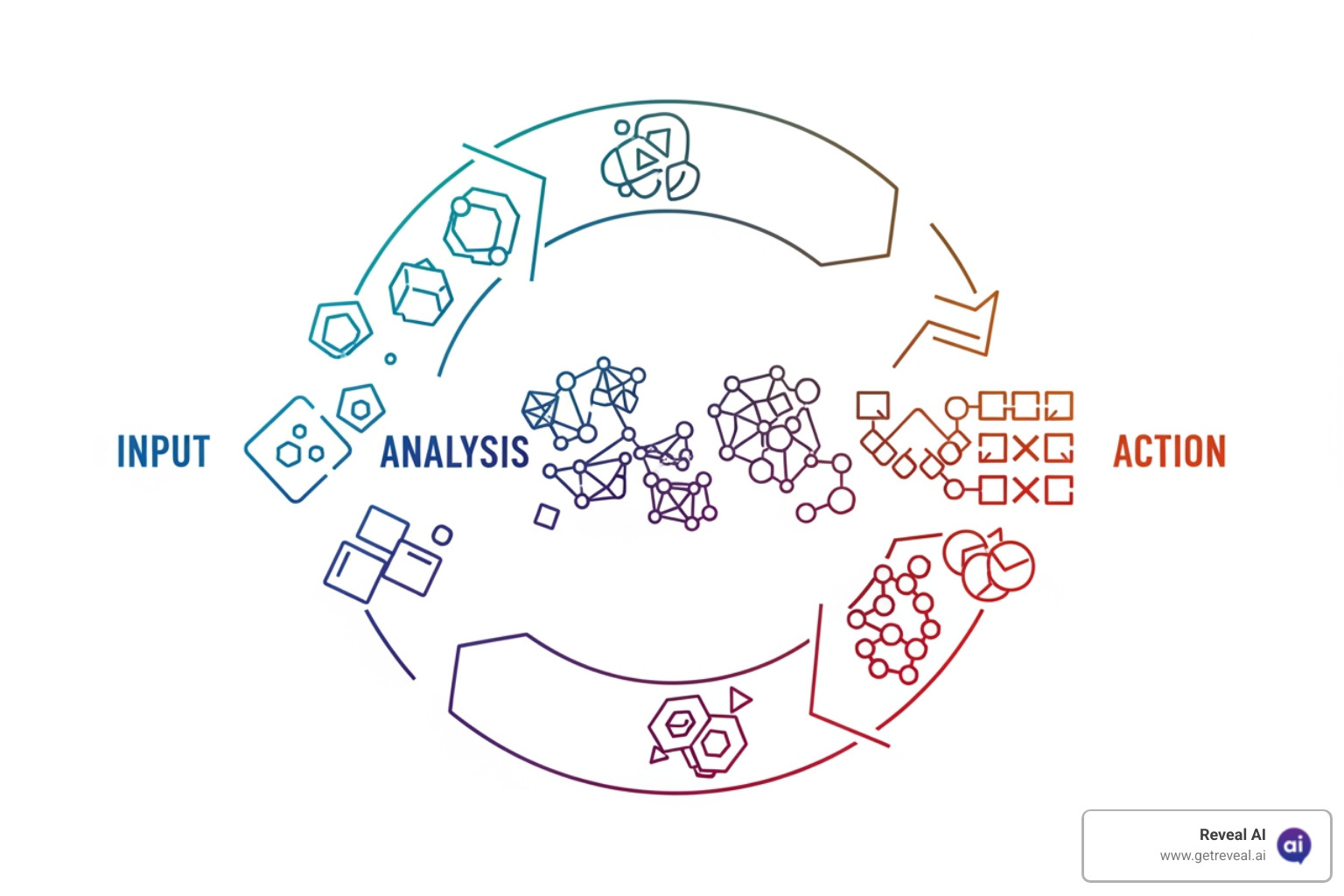
The feedback loop process:
Importance of closing the loop:This step is critical. It shows customers their input is valued, which builds trust and loyalty. Businesses that close the feedback loop are 2.5 times more likely to retain their customers. When customers see their feedback acted upon, they are more likely to provide valuable input in the future.
Maintaining the loop:
RevealAI’s AI-powered qualitative research platform integrates directly into this loop. We help you collect rich qualitative data, analyze it rapidly with verifiable insights, and generate the clear intelligence needed to inform product decisions and maintain a reliable, effective feedback cycle.
Consumer feedback is more than just a source of improvement ideas; it's a powerful strategic asset that shapes market perception, influences purchasing decisions, and turns potential negatives into growth opportunities.
The collective voice of the customer significantly influences brand perception and purchase decisions.
Influence on buyers:The impact is undeniable: 95% of buyers read online reviews before making a purchase, and 58% would pay more for a brand with good reviews. Online reviews act as powerful social proof, building trust and confidence.
Brand perception:Brands that proactively seek and apply feedback are viewed more favorably. In fact, 77% of consumers agree. This engagement builds trust and encourages word-of-mouth marketing. When customers feel valued, they become brand advocates. Understanding these dynamics is a core part of audience intelligence, where RevealAI helps researchers uncover how brand awareness is formed through consumer feedback.
Negative feedback is a gift for discerning research and product teams—an opportunity to uncover issues and strengthen relationships.
Negative feedback as an opportunity:It's an early warning system that uncovers hidden product or service issues and highlights critical pain points. Since 96% of unhappy customers don't complain directly, a few negative comments can represent a much larger, silent group. Addressing them can prevent widespread churn.
Growth from criticism:Transform detractors into promoters by acknowledging their frustration, taking responsibility, offering solutions, and following up. This is a cost-effective growth strategy, as acquiring new customers costs 5x to 25x more than retaining existing ones.
Measuring Success:To measure the impact of acting on feedback, teams often track quantitative scores related to satisfaction, loyalty, and product-market fit.
RevealAI moves beyond just the scores. Our research-grade AI platform provides deep qualitative insights into the "why" behind the numbers, enabling more precise interventions. The goal is to transform every piece of feedback into an actionable business decision.
Ready to leverage the full power of consumer feedback? Start your market research with RevealAI and turn every comment into a strategic advantage.
Consumer feedback is more than data; it's the foundation for building successful products and services. For market research and product teams, this continuous dialogue with customers is critical for innovation and growth.
We've seen how feedback guides product strategy, from concept to refinement. Effective analysis, driven by research-grade AI, is what transforms this raw data into actionable insights. Implementing a continuous feedback loop—collect, analyze, act, and close—builds invaluable trust and customer loyalty.
However, the rise of generic AI introduces risks like hallucinations, lack of attribution, and declining client trust. This is where RevealAI’s 'Trust first, not novelty first' philosophy is paramount. Our AI-powered qualitative research platform is designed for researchers who demand precision and verifiability.
RevealAI offers:
In a world wary of unchecked AI, RevealAI empowers researchers to deliver insights with confidence and drive real business impact.
To deepen your understanding, explore more resources and guides for market researchers on our platform.