Blog
A comprehensive guide to modern employee feedback solutions

Rhythm Dahiya

For market research firms and internal analysts, employee feedback solutions are no longer just HR tools—they are critical qualitative research platforms. These digital solutions help organizations collect, analyze, and act on input from their workforce, covering everything from pulse surveys and 360-degree reviews to AI-powered conversational interviews.
Quick answer: Top employee feedback solutions to evaluate
SolutionBest ForKey StrengthReveal AIResearch teams & AnalystsResearch-grade AI + Verifiable attributionCulture AmpMid-market to enterpriseAI-powered engagement surveys + analyticsWorkday PeakonEnterpriseContinuous listening + predictive retention15FiveMid-marketPerformance + engagement in one platformQualtricsEnterpriseFull lifecycle feedback + business outcome linkingTINYpulseSMB to mid-marketPulse surveys + peer recognitionADP Voice of the EmployeeADP ecosystem usersLifecycle automation + validated templatesFeedbackPulseSMBFast pulse surveys + AI action plansQuantum WorkplaceMid-marketFlexible feedback frameworks + performance tie-inEchoSpanAny sizeAffordable 360-degree feedbackEffy AISmall teamsAI-summarized open-ended feedback
Gathering workforce data sounds simple, but for researchers, the challenge is ensuring that data is research-grade and verifiable. Annual surveys surface problems months too late, and when feedback isn't acted on, employees notice—research shows employees are 4x more likely to intend to quit when their input is ignored.
The stakes are real. Organizations that invest in continuous workforce research see measurable results: engagement scores climbing by double digits, voluntary turnover falling, and trust in leadership rising within months.
But the tools matter. There is a meaningful difference between a platform that collects data and one that turns that data into decisions. The best solutions today combine structured survey methods with AI-powered analysis that surfaces themes, flags risks, and gives managers a clear next step. For analysts, the priority is a "Trust First" philosophy that ensures AI insights are transparent and attributed to real human voices.
This guide covers the leading employee feedback solutions on the market, what separates them, and how to choose the right fit for your organization's size, culture, and goals.
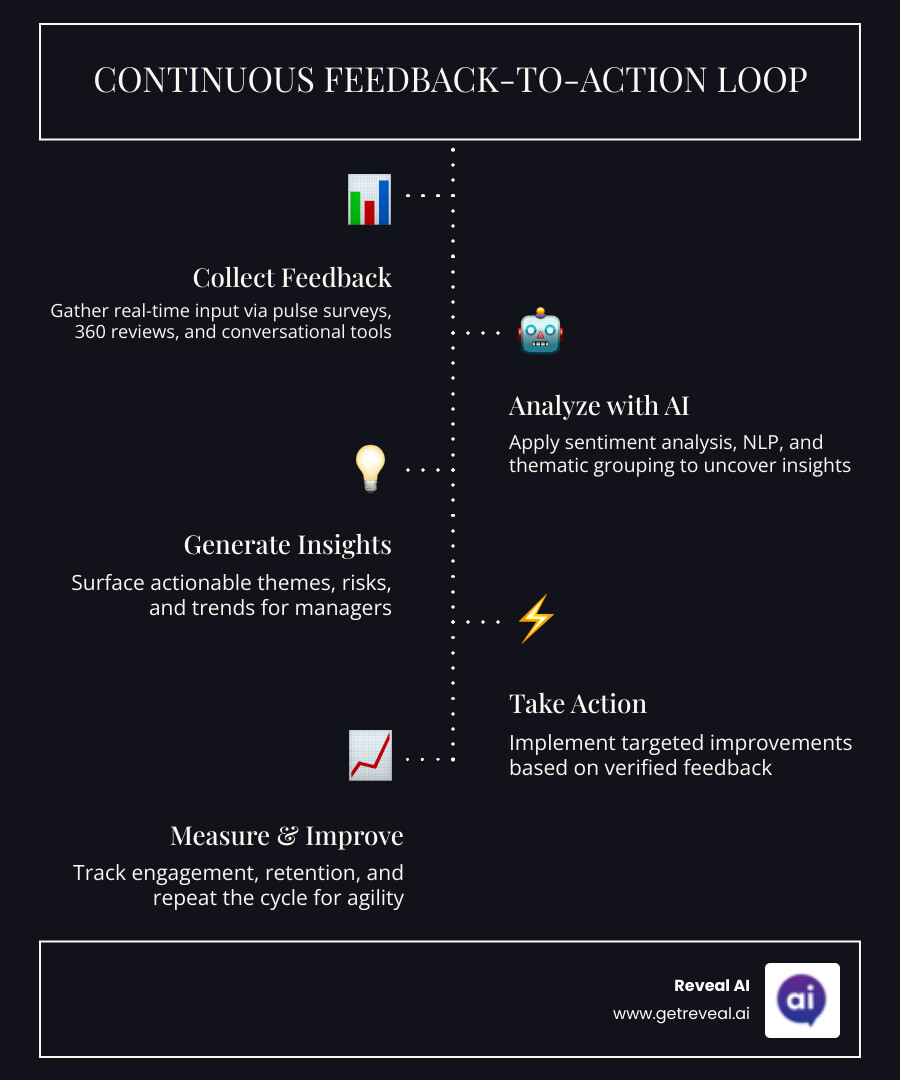
Simple guide to employee feedback solutions:
When we evaluate employee feedback solutions, we are looking beyond a digital suggestion box. Modern platforms must bridge the gap between collecting feedback and understanding it with enough rigor to support real decisions. For research and analysis teams, that means focusing on three essentials: frequency, anonymity, and actionability.
Feature TypeMethodologyPrimary BenefitPulse SurveysShort, frequent check-ins (weekly/monthly)Real-time sentiment tracking and agility360 ReviewsMulti-rater feedback (peers, managers, reports)Holistic performance and leadership growthContinuous FeedbackAlways-on, peer-to-peer recognitionHigh-trust culture and immediate reinforcement
The days of waiting six months to discover that a team is burning out are over. How Real-Time Employee Feedback Enhances HR Practices depends on tools that provide timely dashboards, visible trends, and clear next steps. Strong platforms can surface recurring themes in open-text comments quickly, helping leaders respond to issues like lack of direction or poor communication before they become retention risks.
Anonymity is the foundation of honest feedback. Most employee feedback solutions enforce anonymity thresholds, meaning results only appear when a minimum number of employees respond. This protects identities while preserving useful patterns. In parallel, validated survey design matters. Well-established principles behind multi-rater assessment and questionnaire design help ensure organizations are measuring what they intend to measure, whether that is belonging, manager effectiveness, or trust. For broader background on survey methodology, the survey methodology overview is a useful reference.
We have seen a clear shift in how organizations approach workforce research. The traditional annual survey often surfaces issues too late to fix them.
Modern employee feedback solutions favor a Pulse Survey App approach. Instead of a 50-question annual event, employees answer 2 to 5 questions every few weeks. This creates a feedback loop where managers can observe whether recent changes are improving sentiment.
Frequent check-ins can also improve participation when employees see visible follow-through. In fast-changing environments, continuous listening gives organizations a more reliable way to adapt than static annual measurements.
The biggest challenge for analysis teams is not collecting feedback. It is reading and interpreting it at scale. If 1,000 employees each leave a comment, the volume becomes difficult to process manually. This is where The Role of AI in HR becomes relevant.
AI-powered employee feedback solutions use Natural Language Processing (NLP) to perform:
Retention is not only about compensation. It is also about growth, clarity, and development. Acquisition Integration: Retaining Top Talent often depends on 360-degree feedback to help leaders and teams align after change.
By using multi-rater assessments, employees receive feedback from peers, direct reports, and supervisors. This creates a more rounded view of performance and development needs. When paired with professional growth plans, it supports a healthier culture of learning. To Foster a Thriving Organizational Culture, leaders should use these tools to turn reviews into development opportunities rather than one-time grades.
Selecting a platform requires balancing your specific needs with the "research-grade" quality of the tool.
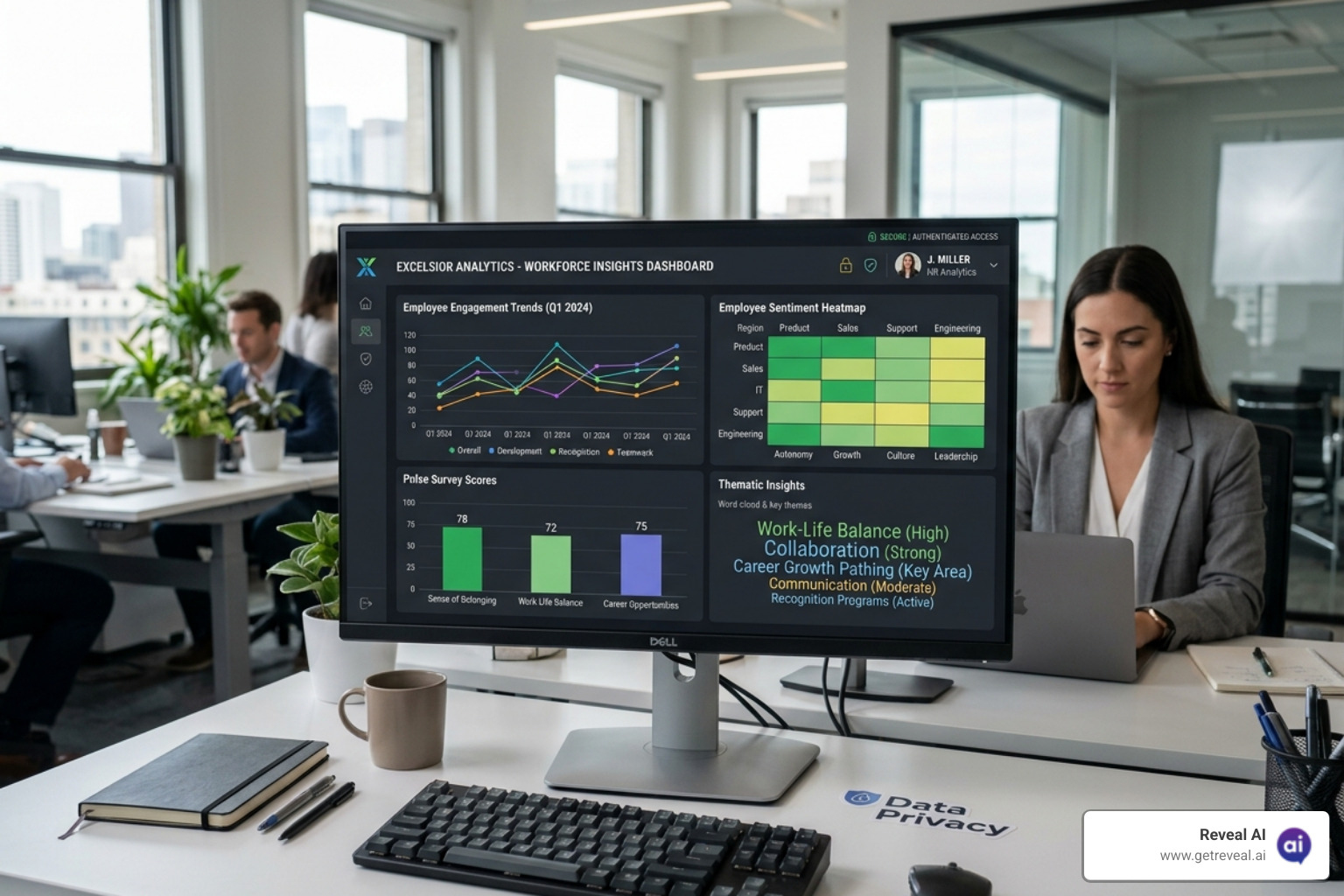
For market researchers and analysts, the "Trust First" philosophy is critical. You need to know that the AI isn't hallucinating or making up trends. At Reveal AI, we provide an AI-powered qualitative research platform that operates within a "Walled Garden" data integrity model. This means we use your data—and only your data—to generate insights.
When evaluating HR Analytics Solutions, look for:
A feedback tool is only effective if people use it. This means it must integrate with the apps your team already uses.
Even the best employee feedback solutions can fail if implemented poorly. We see three common pitfalls:
To justify the investment in employee feedback solutions, look at the hard data. Organizations using these tools have reported:
By tracking your Employee Net Promoter Score (eNPS) and monitoring your Glassdoor ratings, you can see the direct impact of Foster a Thriving Culture initiatives. To Accelerate Leader Success, provide your managers with AI-generated action plans that tell them exactly where to focus their energy each month.
The transition from annual, static surveys to modern, AI-powered employee feedback solutions is no longer a luxury—it is a requirement for any organization that wants to retain top talent in a volatile market.
Whether you are looking for a simple pulse tool like TINYpulse or a comprehensive lifecycle platform like Qualtrics or Culture Amp, the goal remains the same: close the gap between listening and leading. By prioritizing "research-grade" AI that offers verifiable attribution and operating within a "Trust First" framework, you ensure that your data is not just a collection of numbers, but a roadmap for organizational growth.
For research teams and analysts who require the highest level of data integrity and qualitative depth, exploring an AI research platform can provide the structured, verifiable insights needed to make high-stakes business decisions with confidence.